Expecting Patronum
As an embroidery designer and product reviewer, I often find myself evaluating digital designs for real-world use. Expecting Patronum caught my attention not just for its visual appeal, but for how it might translate into a finished product that resonates with customers. This design, part of the Illustrations category, is a digital file that promises versatility across various mediums. But what does it actually bring to the table when it comes to embroidery work?
The First Impression
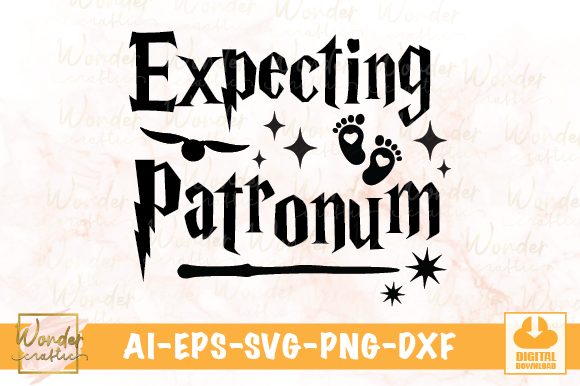
Expecting Patronum has a whimsical, magical vibe that immediately sets it apart. The design features a stylized representation of a patronus, which feels both creative and familiar. It’s clean, well-proportioned, and has a sense of balance that makes it adaptable for different applications. The layout is straightforward, with a central focus that works well for embroidery projects needing a clear focal point.
Its theme is perfect for personalized gifts or custom apparel. The detail level is moderate, making it suitable for both simple and more intricate stitching. If you're looking for something that can be used on a variety of items—like a tote bag, sweatshirt, or baby onesie—this design offers a good foundation.
Real-World Embroidery Use Cases
When considering Expecting Patronum for real embroidery projects, the first thing to think about is where it will be placed. For example, if you're creating a custom embroidered tote bag, this design could serve as a standout element. Its simplicity allows it to be easily adapted to different sizes without losing clarity.
On a sweatshirt or t-shirt, the design would look great in a medium-sized hoop. However, if you're working with smaller hoop sizes, you may need to adjust the design or split it into sections. This is especially important for detailed areas like the edges of the patronus, where stitch density and precision matter.
For baby items, such as onesies or blankets, the design's soft lines and manageable detail level make it a safe choice. It’s not too complex, so it won’t overwhelm the fabric or cause issues with thread tension. Similarly, on a patch or apron, Expecting Patronum could add a unique touch that appeals to crafters and collectors alike.
Where to Be Cautious
While Expecting Patronum is versatile, there are situations where it might not perform as well. On textured fabrics or thin materials, the design could lose some of its definition. This is particularly true for areas with dense stitch patterns, like the inner parts of the patronus. You’ll want to test it on scrap fabric before committing to a larger project.
On dark fabrics, the design might not show up as clearly unless you use contrasting thread colors. Light-colored fabrics, on the other hand, will highlight the details more effectively. If you're planning to use this on a cap or curved surface, you’ll need to ensure the hoop size accommodates the shape and that the stabilizer is appropriate for the material.
For commercial embroidery projects, it's important to check the licensing terms before selling any finished products. While the files are high-resolution and compatible with PDFs, specifics like stitch count or machine compatibility aren't provided. Always confirm these details before moving forward.
Impact on Visual Appeal and Customer Perception
Expecting Patronum has the potential to elevate a handmade product or personalized gift. Its clean lines and recognizable theme make it appealing to a broad audience. When stitched properly, it can add a professional touch to a custom apparel item or a boutique product.
From a customer perspective, this design could help build trust in your brand. A well-executed embroidery project with a clear, recognizable image can increase the perceived value of a product. Whether you're an Etsy seller or a small shop owner, having a design that looks polished and intentional can make a big difference in buyer engagement.
It also plays well with brand consistency. If your business focuses on magical or whimsical themes, Expecting Patronum could be a valuable addition to your design assets. It’s versatile enough to fit into a range of products, from holiday gifts to everyday wearables.
Practical Designer Notes
Before using Expecting Patronum in your next project, here are a few key tips to keep in mind:
- Test on scrap fabric: Always do a trial run to see how the design stitches and how the colors interact with the fabric.
- Check thread color contrast: Ensure the thread you choose complements the fabric and highlights the design elements.
- Review stitch density: Adjust the density if needed to avoid puckering or distortion on delicate fabrics.
- Confirm hoop size: Make sure the design fits within your machine’s hoop limitations, especially for complex sections.
- Inspect small details: Pay close attention to corners and fine lines to ensure they come out cleanly after stitching.
- Test black and white mockups: This helps visualize how the design will look on different backgrounds.
- Use proper stabilizer: This is crucial for maintaining the integrity of the design, especially on stretchy or thin fabrics.
- Verify licensing: Confirm whether the design is suitable for both personal and commercial use before selling anything.
Expecting Patronum is a solid choice for embroidery designers and crafters looking for a versatile, visually appealing design. With the right approach, it can be a valuable asset in your collection of machine embroidery designs. Whether you're creating custom apparel, personalized gifts, or small business merchandise, this design offers a balance of creativity and practicality that’s hard to beat.