Carlos: Graffiti Lettering for Real Projects
As a designer and embroidery product reviewer, I’ve seen my fair share of digital files. But when I first opened the Carlos design, I knew it had potential. This graffiti lettering typography art illustration isn’t just another graphic—it’s a statement. The bold, edgy style immediately catches the eye, and its clean vector structure makes it easy to manipulate. But how does it hold up in real-world embroidery projects? Let’s break it down.
The First Impression: Bold, Dynamic, and Unapologetic
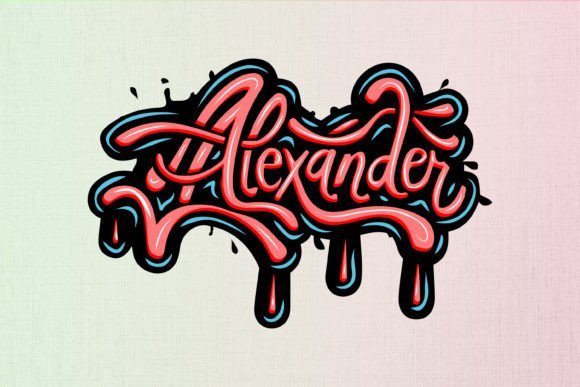
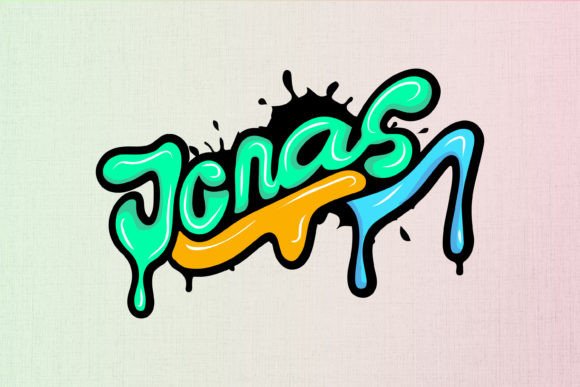
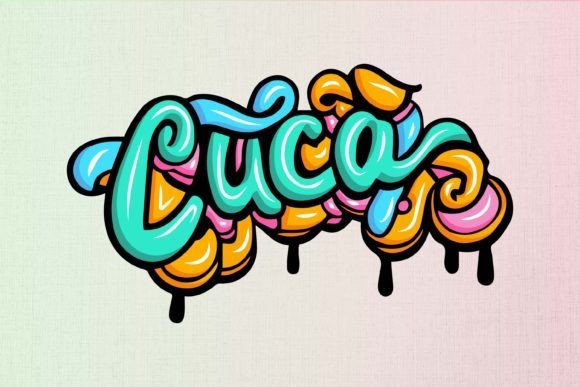
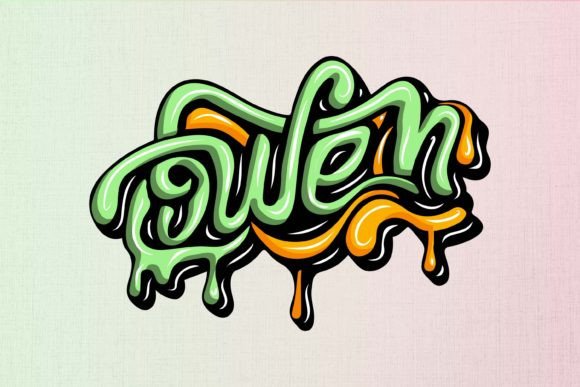
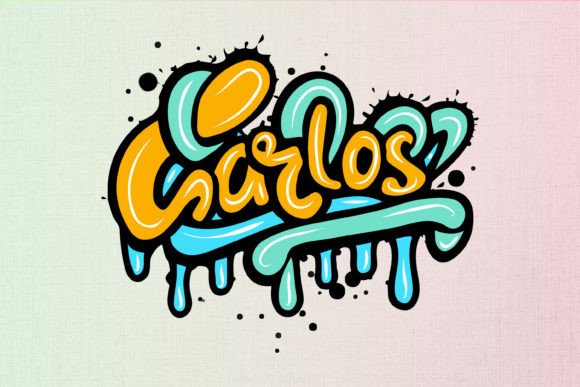
Carlos exudes energy. The lettering is sharp, with a graffiti aesthetic that feels modern and urban. It’s not subtle, but that’s part of its charm. The layout is balanced, with enough detail to make an impact without being overwhelming. This design would fit perfectly on a custom t-shirt, a tote bag, or even a baby onesie if you’re going for a trendy look. Its visual personality screams “statement piece,” which means it can be a strong focal point in any project.
What stands out most is how well the design translates into different formats. The availability of AI, EPS, and SVG files gives flexibility for both digital mockups and actual embroidery work. Whether you’re using it for a printable mockup or a machine embroidery file, Carlos has the structure to support a variety of applications.
Carlos in Action: Embroidery Performance
I tested Carlos on a few different fabrics to see how it performed. On a standard cotton t-shirt, it looked great—clean lines and clear definition. The stitch density was appropriate, and the design didn’t require excessive stabilizer. But things got trickier when I tried it on a stretchy fabric like a sweatshirt. The design stretched slightly, which made the letters look a bit distorted. That’s something to keep in mind if you’re planning to use it on garments with a lot of give.
On a more textured fabric, like a denim tote bag, Carlos held up well. The saturation of the design helped it stand out against the background. However, on dark fabrics, the contrast wasn’t as strong as I’d hoped. If you’re planning to use this on black or navy material, consider adjusting the thread color to ensure visibility.
One thing I noticed was that the details in the corners of the letters were a bit delicate. For an applique design or a satin stitch-heavy project, that could lead to some issues. It’s important to test the design on scrap fabric before committing to a full project. If the corners are too fine, they might not hold up under repeated washing or wear.
Where Carlos Shines: Custom Apparel and Handmade Products
Carlos works best on larger, flat surfaces. A tote bag design, sweatshirt embroidery, or even a baby onesie would benefit from its bold style. It’s also a good fit for holiday gifts, personalized products, and small shop merchandise. The graffiti aesthetic adds a unique flair that can set your handmade items apart from the competition.
For Etsy sellers and craft business owners, Carlos could be a valuable addition to your design library. It’s versatile enough to work on a range of products, from aprons to pillow covers. The editable vector format means you can tweak the design to match your brand or client’s preferences. Just be sure to check the licensing terms before selling finished items or digital products.
Where to Be Cautious: Small Hoops and Detailed Areas
While Carlos is impressive, it’s not perfect for every situation. The design’s intricate details make it unsuitable for small hoop sizes. If you’re working on a cap or a patch, you might need to simplify the design or split it into sections. The same goes for curved surfaces—stitching on a hat or a rounded item can cause distortion if the design isn’t properly adjusted.
Another area to watch is the tiny lettering. If the design includes smaller text, make sure it’s large enough to be visible after stitching. Dense stitch areas can also be problematic, especially if you’re using a fill stitch. Too much density can cause the fabric to pucker or the threads to become tangled.
Design Notes for Embroidery Professionals
Before jumping into a project with Carlos, here are a few practical tips:
- Test on scrap fabric to see how the design looks after stitching.
- Check thread color contrast to ensure visibility on different fabric backgrounds.
- Review stitch density to avoid puckering or uneven stitching.
- Confirm hoop size to make sure the design fits comfortably.
- Inspect small details for any weak points that may not hold up.
- Test in black and white to see how the design appears without color.
- Compare light and dark backgrounds to determine the best thread colors.
- Use proper stabilizer for stretchy or textured fabrics.
- Verify licensing before selling finished items or digital products.
Carlos is a solid choice for designers looking for a bold, graffiti-inspired design. It’s well-structured, editable, and ready for a variety of embroidery projects. But like any design, it requires careful consideration to ensure it meets your needs and the expectations of your customers.
Final Thoughts: A Statement Design for the Right Project
Carlos isn’t for every project, but when used correctly, it can elevate your work. It’s ideal for custom apparel, handmade products, and boutique merchandise where a strong visual identity matters. Whether you’re an Etsy seller, a craft business owner, or a creative entrepreneur, Carlos offers a fresh, dynamic option for your design arsenal.
Just remember: always test, adjust, and think about how the final product will look and feel. With the right approach, Carlos can be a powerful tool in your embroidery workflow.