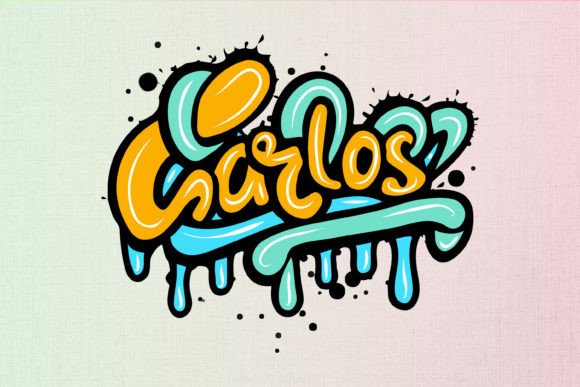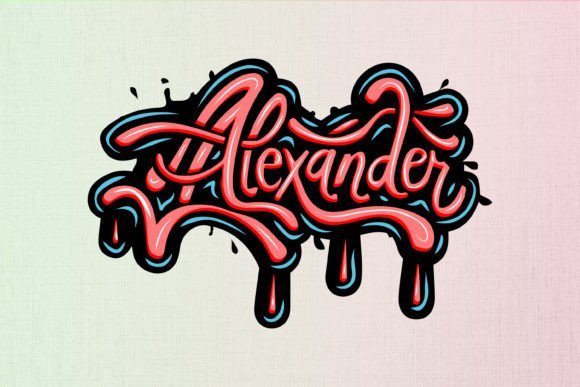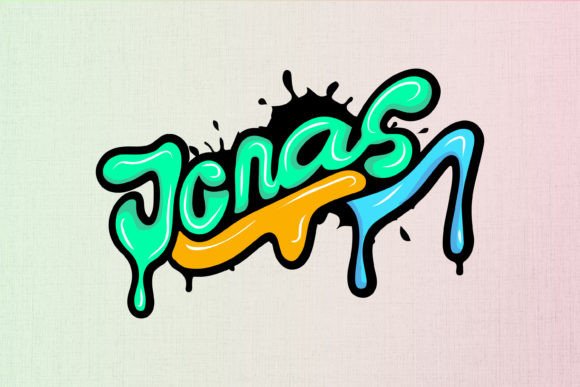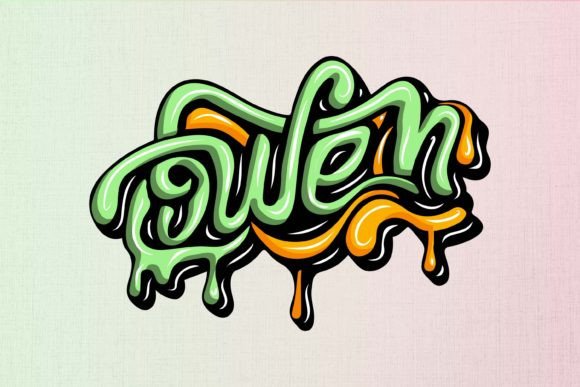
Luca: Graffiti Lettering for Real Projects
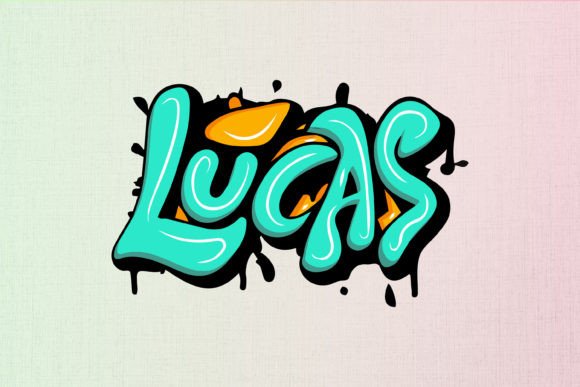
As a designer and embroidery product reviewer, I've seen my fair share of digital files. But when I first opened the Luca design, I was struck by its boldness and potential. This graffiti lettering typography art illustration isn't just another graphic—it's a statement. The style is edgy, modern, and full of energy. It feels like it belongs on a custom t-shirt, a branded tote bag, or even a patch for a jacket. But does it translate well to real embroidery projects? Let’s break it down.
The First Impression: Bold, Dynamic, and Unapologetic
Luca immediately catches the eye with its strong visual presence. The lettering is clean but has that raw, hand-painted feel that makes it stand out. The layout is balanced, with enough detail to be interesting without being overwhelming. It’s not subtle, but that’s part of its charm. If you're looking for something that makes a statement, Luca delivers.
The design works best on larger surfaces where the details can breathe. Think of a sweatshirt, a tote bag, or a large apron. It doesn’t do well in small spaces—like a cap or a baby onesie—where the intricate parts might get lost. But as a machine embroidery design, it’s versatile enough to adapt to different applications if used thoughtfully.
Real-World Use: From Tote Bags to Holiday Gifts
I tested Luca on a custom embroidered tote bag for a client who wanted something unique for their boutique. The design looked great in black on white fabric, but when I tried it on a dark-colored canvas, the contrast was less dramatic. That’s something to consider if you’re planning to use it on different backgrounds. The file includes EPS and SVG formats, which makes it easy to preview in different colors and layouts before stitching.
For a small shop product, Luca could work well as a printable mockup or a digital product preview. Its vector nature means it scales perfectly, and the 100% editable master file gives designers flexibility. But if you're an Etsy seller or a craft business owner, you’ll want to make sure the design fits your brand aesthetic and customer expectations.
When I used it on a sweatshirt, the stitch density was manageable. The satin stitches came out smooth, and the fill areas didn’t look too dense. However, I noticed that the corners of the letters had some slight distortion. That’s something to watch for if you're using it on curved surfaces like caps or hoods.
Where to Be Cautious: Fabric, Size, and Detail
Luca isn’t the best fit for small hoop sizes. If you’re working on a cap or a baby onesie, the design might need to be resized or simplified. Thin or stretchy fabrics could also be a challenge—especially if the design has intricate details. A stabilizer is a must here to prevent puckering or distortion during stitching.
Textured fabrics, like linen or canvas, might dull the sharpness of the design. And if you're planning to use it on dark fabric, you'll need to adjust thread colors accordingly. Lighter threads might not show up well, so testing on scrap fabric is always a good idea.
Another thing to note: Luca has some detailed corners and tiny elements. These might not hold up well on thin or delicate materials. If you're making a personalized gift or a handmade product, you’ll want to double-check how the design looks after stitching. Sometimes, what looks good on a screen doesn’t translate perfectly to fabric.
Impact on Visual Appeal and Customer Trust
When it comes to visual appeal, Luca is a winner. It adds a fresh, modern look to any project. But it’s not one-size-fits-all. The design’s strength lies in its ability to make a statement, which can boost the perceived value of a finished product. Customers often notice and appreciate unique, high-quality embroidery, and Luca delivers on that front.
For a small business or a craft fair vendor, this design can help set your products apart. It’s perfect for custom apparel, embroidered patches, or holiday gifts. But if you're selling digital products, you’ll want to ensure that the design aligns with your brand and audience. Not every customer will appreciate the graffiti style, so knowing your market is key.
From a professional standpoint, Luca is a solid choice for commercial embroidery projects. Its compatibility with Adobe Illustrator and other design software makes it easy to integrate into workflows. Just make sure to check the licensing terms before selling finished items or digital files.
Practical Designer Notes: Test, Adjust, and Optimize
Before using Luca in a real project, I recommend testing it on scrap fabric. This helps you see how the design looks in different thread colors and on various materials. Also, pay attention to the stitch density. If it’s too heavy, it might cause the fabric to pucker or wear out faster.
Check the hoop size needed for your project. If the design is too large for your machine, you may need to split it or resize it. Inspect the small details closely—some elements might not hold up well under stitching. And don’t forget to test it in black and white mockups to see how it looks without color.
Finally, make sure the design works for both personal and commercial use. If you're an embroidery designer or a digital product seller, understanding the limitations and strengths of Luca will help you make better decisions for your clients and your business.