Owen: Graffiti Lettering for Real Projects
As a designer and embroidery product reviewer, I’ve seen my fair share of digital files that look great on screen but fall apart in real-world use. Owen is one of those designs that immediately caught my attention—not just for its bold visual style, but for how it could translate into tangible, wearable art. Let’s break down what makes Owen a strong candidate for real embroidery projects and where it might need a bit more care.
The First Impression: Bold, Urban, and Ready to Stitch
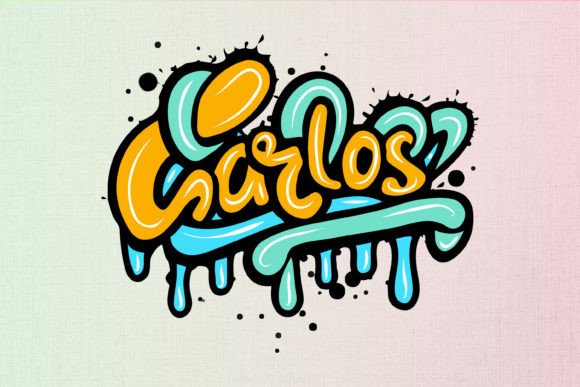
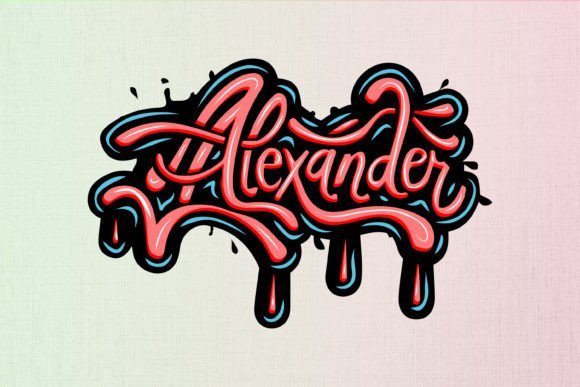
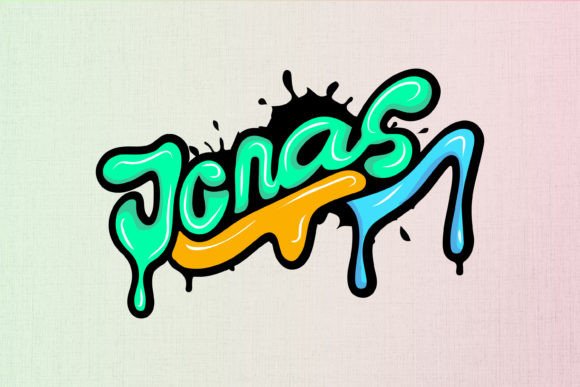
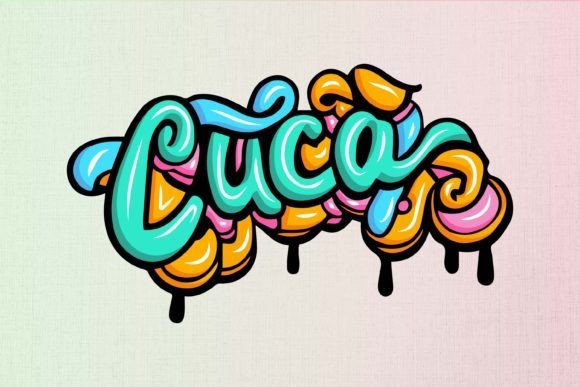
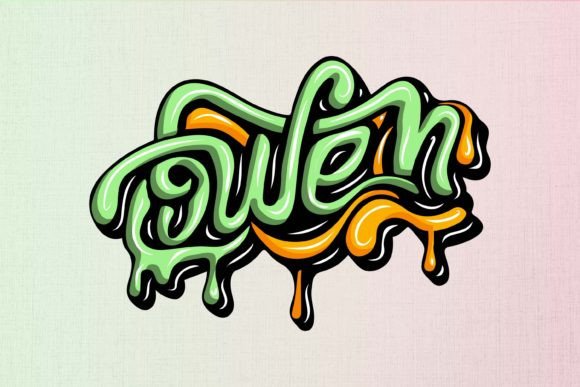
Owen delivers a graffiti lettering aesthetic that feels raw and expressive. The typography has a streetwise vibe, with sharp angles and a sense of movement that makes it stand out. The layout is clean enough to work on a variety of surfaces, from t-shirts to tote bags, but it also has enough detail to make a statement without being overwhelming.
It’s clear the design was made with versatility in mind. The vector files are fully editable, which means you can tweak the shapes or adjust the spacing if needed. That level of control is a big plus for anyone looking to customize their embroidery project for different fabrics or sizes.
How Owen Performs in Real Embroidery Situations
When I first opened Owen, I thought about how it would look on a custom embroidered tote bag. The design’s size and structure make it ideal for larger projects where the details can shine. It would also work well on sweatshirts, especially for a casual, urban-themed collection.
For baby items, like onesies or blankets, Owen could be a unique touch—though I’d recommend testing it on a small area first. The design’s sharp edges and dense lines might not be the best fit for delicate fabrics or thin materials, where the stitching could appear too harsh or cause puckering.
On caps or hats, Owen would need a smaller hoop size. If the design is too large for your machine, it could lead to misalignment or uneven stitching. That said, the file format compatibility (AI, EPS, SVG) gives you flexibility to scale it down as needed.
Where Owen Needs Careful Handling
There are a few situations where Owen might require extra attention. On textured or stretchy fabrics, the design’s fine details could get lost or distorted. Thin or dark fabrics may also challenge the visibility of the stitches, depending on the thread color used.
If you’re planning to use Owen on layered garments or curved surfaces, like a cap or a patch, you’ll want to test it thoroughly. The design’s complexity could lead to issues with stitch density or stabilizer support, especially if the fabric isn’t properly supported during the embroidery process.
Small lettering or intricate corners might not hold up well if the hoop size is too tight. It’s always a good idea to check the design on scrap fabric before committing to a final project. This helps you see how the stitches will lay and whether any adjustments are needed.
Owen’s Impact on Visual Appeal and Product Value
When it comes to visual appeal, Owen is a strong performer. Its graffiti style adds a modern edge that can elevate a basic t-shirt into something eye-catching. For handmade products or personalized gifts, this kind of design can make a big difference in customer perception.
Stitching clarity is another key factor. Owen’s vector-based nature ensures that the lines stay crisp, even when scaled. This is important for maintaining the integrity of the design, especially when using satin stitch or fill stitch techniques.
From a business perspective, Owen could be a valuable addition to an Etsy seller’s catalog or a small shop’s merchandise. It’s versatile enough to be used in various applications, from holiday gifts to boutique branding. However, the design’s boldness might not suit every brand or audience, so it’s worth considering the target market before finalizing a project.
Practical Notes for Embroidery Designers
Before using Owen in a commercial project, I recommend testing it on different fabrics and thread colors. The design’s contrast can vary significantly depending on the background, so checking it in black and white mockups is a smart move.
Make sure to review the stitch density and confirm that the hoop size matches your machine’s capabilities. If the design is too dense, it could cause tension issues or damage the fabric. Using the right stabilizer is also crucial, especially for delicate or stretchy materials.
For those selling finished products or digital files, double-check the licensing terms. Even though Owen is described as 100% editable, it’s always good to verify the rights before using it in a commercial context.
Final Thoughts: Owen for the Right Project
Owen is a strong, versatile design that works well for a range of embroidery projects. Its graffiti style is fresh and modern, making it a good fit for custom apparel, tote bags, and other creative merchandise. However, it’s not a one-size-fits-all solution.
If you’re looking for a design that can stand out while still being practical, Owen is worth considering. Just be mindful of the fabric type, hoop size, and stitch density to ensure the final product meets your expectations—and your client’s.