Act: Bold, Versatile, and Ready for Embroidery
As an embroidery designer with years of experience, I’ve seen countless designs come and go. But Act stands out for its raw energy and adaptability. This graffiti lettering typography art illustration isn’t just a design—it’s a statement. It’s the kind of piece that can elevate a simple t-shirt into a conversation starter or turn a basic tote bag into a wearable work of art.
The First Impression: Raw Energy Meets Graphic Power
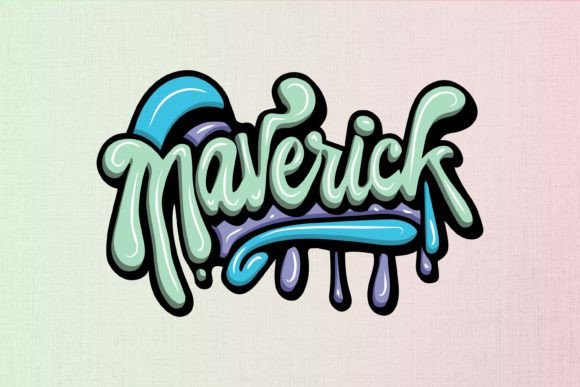
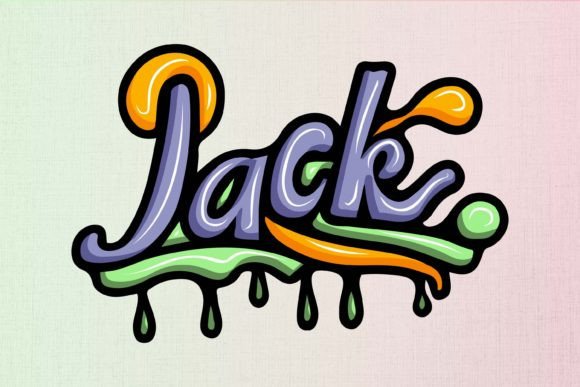
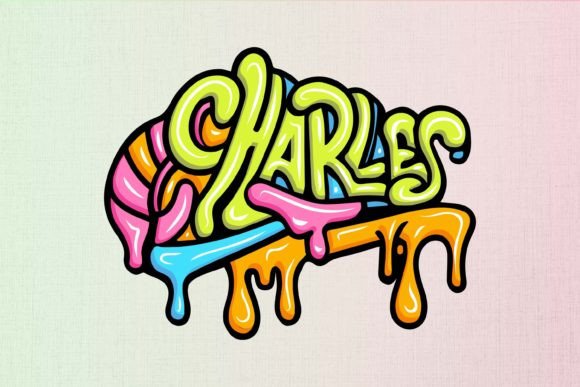
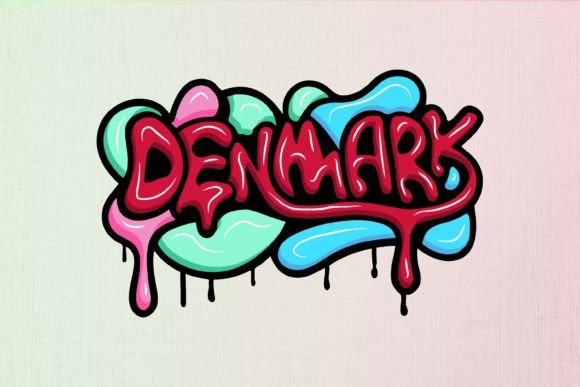
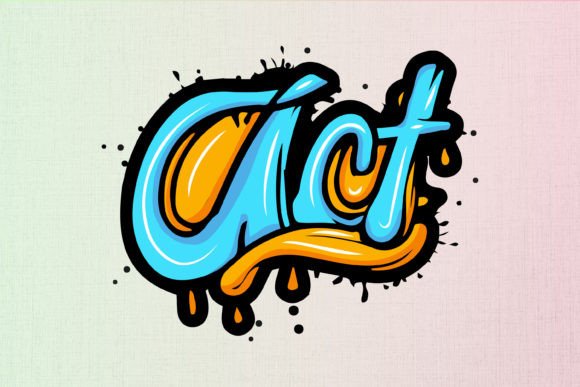
From the moment I opened Act, I was struck by its boldness. The graffiti-style lettering has a gritty, urban vibe that feels authentic. The layout is dynamic, with a mix of sharp angles and fluid lines that give it movement. It’s not the kind of design you’d use for something subtle—this is for projects that demand attention.
The detail level is impressive. Each letter has character, and the overall composition feels intentional. Whether it’s on a sweatshirt, a baby onesie, or a patch, Act has the visual personality to make an impact. It’s perfect for custom apparel, especially when paired with strong thread colors and a clean fabric background.
Real-World Use: From Tote Bags to Holiday Gifts
I tested Act on a few different projects to see how it would hold up in real embroidery situations. On a cotton tote bag, it looked great—clean, clear, and eye-catching. The design didn’t get lost in the fabric, and the stitch density was just right. For a sweatshirt, it worked well too, though I noticed that on darker fabrics, the contrast needed to be carefully considered.
Act also performed well on patches. The vector files are 100% editable, which means I could adjust the size and layout without losing quality. That’s a huge plus for custom embroidery projects where precision matters. It’s also ideal for aprons, caps, and pillow covers, where a bold design can make a big difference.
For baby items, I found that Act might be a bit too intense. The aggressive style doesn’t always translate well to delicate fabrics or smaller hoop sizes. But if used on a onesie with a soft background, it could still work as a standout piece.
Where to Be Careful: Fabric, Size, and Detail
While Act is versatile, there are some scenarios where it needs careful handling. On textured or stretchy fabrics, the design can lose some of its clarity. Thin or dark fabrics may require additional stabilizer to prevent distortion. And if you’re working with small hoop sizes, you might need to simplify the design or split it into sections.
Detail is another consideration. The corners and edges of the letters are sharp, which is great for visual impact, but they can be tricky on curved surfaces like caps or hats. If you’re planning to use Act on a cap, make sure to test it first and adjust the hoop size accordingly.
Also, keep in mind that Act is a graphic-heavy design. If you’re using it on a product that will be washed frequently, like a tea towel or a kitchen apron, you’ll want to ensure the stitching is secure and the thread colors are fade-resistant.
Visual Appeal and Customer Perception
Act has the potential to significantly boost the visual appeal of any embroidered product. Its graffiti style is modern and edgy, making it a great fit for trendy apparel, streetwear, and alternative fashion. It can also add a unique touch to personalized gifts, like custom pillows or holiday decorations.
From a customer perspective, Act can increase the perceived value of a handmade product. It gives the impression of professionalism and creativity, which is essential for Etsy sellers and small shop owners looking to stand out. When used correctly, it can also enhance brand consistency, especially for businesses with a bold or artistic identity.
But it’s important to remember that not every customer will connect with this style. Some may find it too aggressive or unconventional. That’s why it’s wise to pair Act with a variety of fabric options and color schemes to appeal to different tastes.
Practical Designer Notes: Test, Adjust, and Confirm
Before committing to a project, I always recommend testing Act on scrap fabric. This helps you see how the design looks in real life and whether it works with your chosen thread colors and stabilizer. It’s also a good idea to review the stitch density—too dense, and the fabric might pucker; too light, and the details may not show up clearly.
Check the hoop size required for your machine. If the design is large, you may need to break it into sections or use a larger hoop. Also, make sure to inspect the small details, especially if you’re using it on a product that requires precision, like a baby item or a patch.
Use black and white mockups to see how Act looks on different backgrounds. This can help you decide which thread colors will stand out best. And don’t forget to confirm the licensing terms before selling any finished products or digital files. Even though Act is a graphics design, it’s always better to be safe than sorry.
Conclusion: A Design That Demands Attention
Act is more than just a machine embroidery design—it’s a powerful tool for creative entrepreneurs, crafters, and designers looking to make an impact. Its graffiti-inspired style is bold, expressive, and adaptable, making it suitable for a wide range of projects. Whether you’re creating custom apparel, personalized gifts, or small shop merchandise, Act has the potential to elevate your work and attract attention.
With proper testing and thoughtful application, Act can become a staple in your design library. Just remember to consider the fabric, the scale, and the context before finalizing your project. When done right, it’s a design that speaks for itself.