Charles: Bold Graffiti for Embroidery
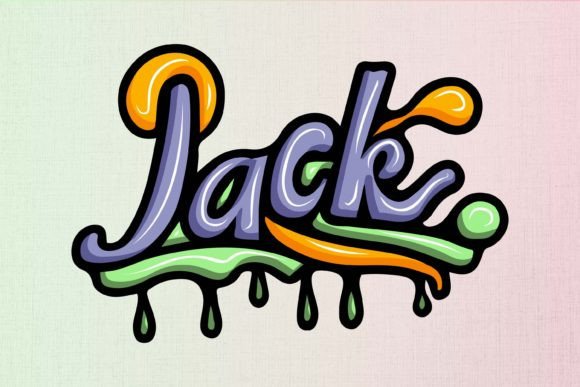
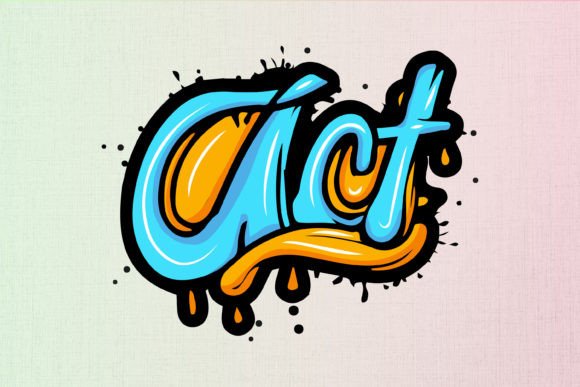
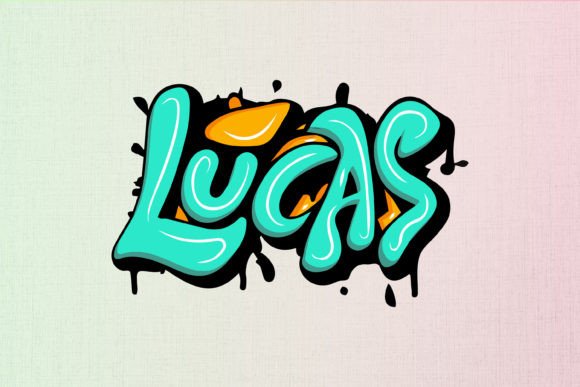
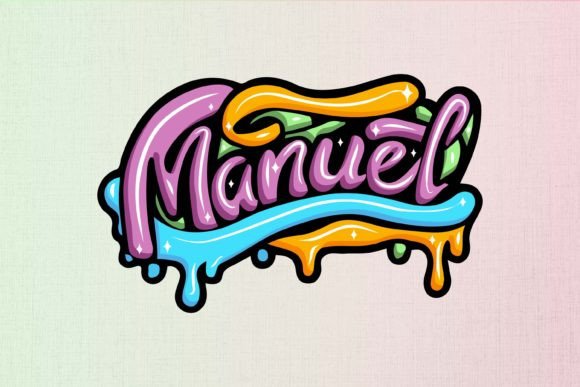
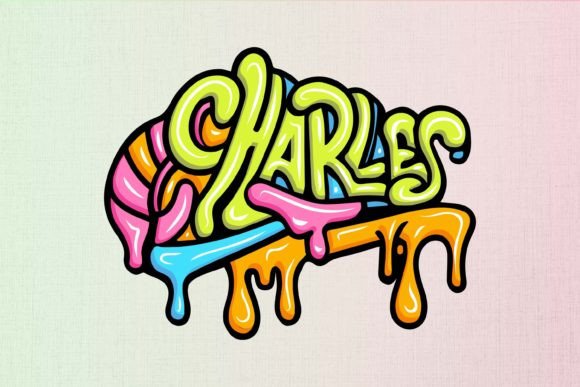
As a designer who’s worked with countless embroidery files, I always start by asking: does this design feel right for real-world use? Charles is a graffiti lettering typography art illustration that immediately grabs attention. Its edgy, urban vibe makes it ideal for custom apparel, but there are several factors to consider before jumping into an embroidery project.
The First Impression: A Visual Statement
Charles has a strong visual personality. The lettering is bold, with a rough, hand-drawn texture that feels authentic. It’s not the kind of design you’d use for something subtle or minimalist. Instead, it’s meant to stand out—perfect for a statement piece on a tote bag, sweatshirt, or embroidered patch. The layout is clean but dynamic, with enough detail to make it interesting without being overwhelming.
The design’s theme is unmistakably graffiti, which means it’s best suited for projects that embrace that aesthetic. Think streetwear, urban-inspired home decor, or personalized gifts for fans of that style. It’s not the right fit for something delicate or traditional.
Real-World Embroidery Use Cases
When I think about where Charles would shine, I imagine a custom embroidered tote bag for a boutique shop or a sweatshirt for a local artist. Its size and detail level make it a good match for larger hoop sizes, but it could also work as a smaller patch or applique design.
For a small business owner or Etsy seller, Charles offers a unique angle. It’s not the typical floral or script design—it’s different, which can help your products stand out in a crowded market. But like any design, its success depends on how well it translates to fabric and stitchwork.
One thing to note: the design’s intricate details might require careful handling. If you’re working with a textured or stretchy fabric, the stitches could show more prominently, which may or may not be desired. For a more polished look, consider using a satin stitch for the main letters and a running stitch for finer details.
Where to Be Careful
Charles isn’t the best choice for every project. Small hoop sizes could limit how much of the design you can stitch at once, which might lead to gaps or misalignment. If you're planning to embroider it on a cap or curved surface, you’ll need to adjust the design accordingly—something that might require extra time and effort.
Thin or stretchy fabrics can also be tricky. Without proper stabilizer, the stitches might pucker or distort. Dark fabrics might require a different thread color to ensure visibility, and if you're using a layered garment, the design could get lost or distorted under multiple layers.
Another consideration is the design’s density. If the file has a lot of fill stitches, it could become stiff or uncomfortable on clothing. That’s something to test first on scrap fabric before committing to a finished product.
Impact on Visual Appeal and Customer Perception
When it comes to visual appeal, Charles delivers. Its boldness and style make it eye-catching, which is great for attracting attention. But it’s also important to think about how customers will react. Some might find it too aggressive or unrefined, while others will love its raw energy.
For a handmade product or personalized gift, the design adds value. It shows that you’ve put thought into the look and feel of the item. But if you’re aiming for a more classic or refined aesthetic, Charles might not be the best fit.
From a branding perspective, Charles could be a powerful asset for a business targeting a younger, urban audience. It adds a sense of authenticity and edge that aligns with that demographic. However, it’s important to ensure that the design fits within your overall brand identity.
Practical Designer Notes
Before using Charles in any project, I recommend testing it on scrap fabric. This helps you see how the stitches look on different materials and whether the design needs adjustments. Check the thread color contrast—especially if you’re using dark fabric—and review the stitch density to avoid stiffness or distortion.
Confirm the hoop size required for the design. If it’s too large for your machine, you may need to break it into sections or use a different approach. Inspect the small details closely—tiny lettering or intricate corners could be challenging to stitch accurately.
Test the design in black and white mockups to see how it looks without color. Compare it on light and dark backgrounds to ensure it remains visible and effective. Use the right stabilizer for your fabric type, and always check that the design works for both personal and commercial use.
If you’re selling finished items or digital products, make sure you understand the licensing terms. Even though Charles is described as 100% editable and ready to use, it’s always wise to verify the rights before offering it for sale.
Final Thoughts: Is Charles Worth It?
Charles is a strong, expressive design that has the potential to elevate a variety of embroidery projects. Its graffiti style is fresh and modern, making it a good fit for custom apparel, patches, and other handmade items. But like any design, it requires thoughtful application and attention to detail.
If you’re looking for something that stands out and brings a unique vibe to your work, Charles is worth considering. Just be sure to test it thoroughly and use it in the right context. With the right approach, it can become a valuable addition to your design assets and a hit with your customers.