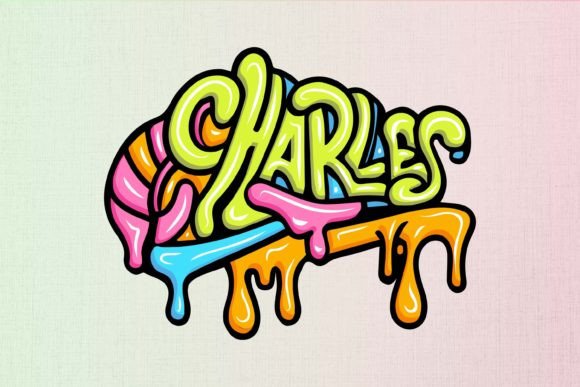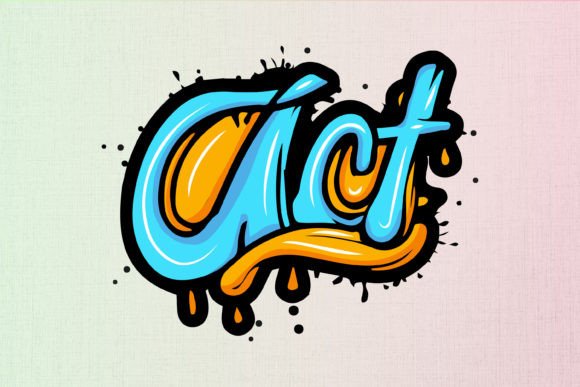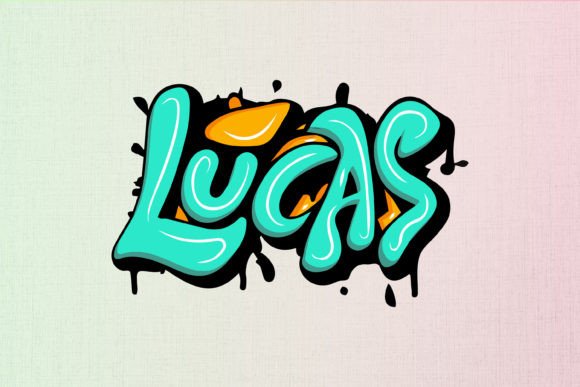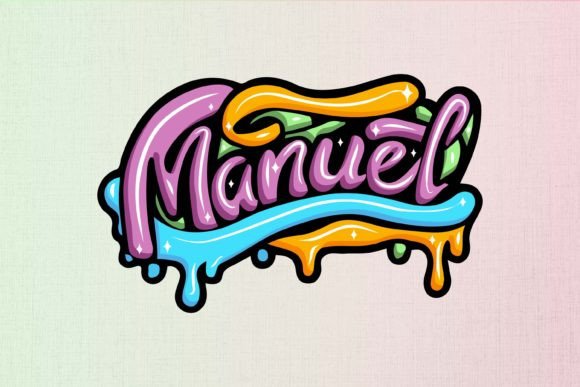
Jack: Bold Graffiti for Embroidery
As a designer and embroidery product reviewer, I’ve seen my fair share of digital art files. But when I first laid eyes on Jack, the graffiti lettering typography art illustration, I knew it had potential. It’s not just another graphic—it’s a statement. The design has a raw energy that screams urban style, making it perfect for custom apparel, patches, and other embroidered items. Let’s break down how Jack performs in real-world embroidery scenarios and what you need to know before using it in your projects.
The First Impression: A Design That Commands Attention
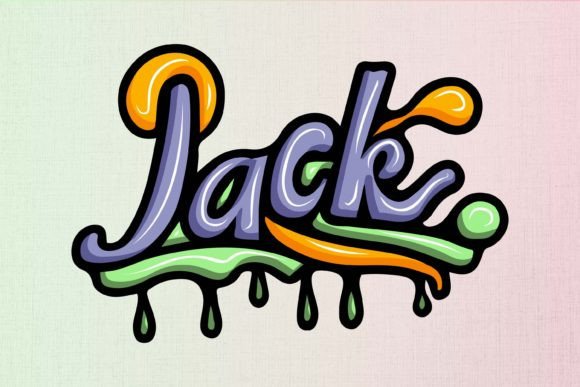
Jack immediately grabs your attention with its strong, stylized lettering. The graffiti aesthetic is unmistakable—thick strokes, bold outlines, and a sense of movement that feels hand-crafted. It’s not the kind of design you’d use for something subtle or minimalist. Instead, it’s ideal for projects that need a punch of personality. Think of it as the visual equivalent of a loud T-shirt at a concert or a standout patch on a jacket.
The layout is clean but dynamic. Each letter is spaced just right, allowing the design to breathe without feeling cluttered. The level of detail is high enough to make an impact but not so intricate that it becomes overwhelming. This makes Jack versatile enough to work on a variety of products, from tote bags to baby onesies, depending on how you scale it.
Real-World Use: Where Jack Shines
One of the first projects I tested Jack on was a custom embroidered tote bag. The design looked great on a large, flat surface, and the bold letters made it easy to read from a distance. It also worked well on sweatshirts and T-shirts, where the graffiti style added a cool, edgy vibe. For small business owners or Etsy sellers, this could be a strong selling point—especially if your target audience appreciates streetwear aesthetics.
Jack also translates well to patches. When applied to a fabric patch, the design retains its sharpness and clarity, making it ideal for jackets, backpacks, or even aprons. The vector format ensures that the design remains crisp no matter the size, which is a big plus for anyone looking to create multiple versions of the same design.
For holiday or personalized gifts, Jack offers a unique alternative to traditional embroidery styles. It could work well on pillow covers, tea towels, or even baby blankets, especially if the recipient has a love for urban art. The design’s versatility means it can be adapted to fit different occasions and audiences.
Where to Be Careful: Limitations and Considerations
While Jack is a strong design, it’s not without its limitations. One thing to keep in mind is that the design may not work well on small hoop sizes. If you’re planning to use it on a cap or a hat, you’ll need a larger hoop to accommodate the full width of the letters. Smaller hoops could result in a cropped or distorted version of the design.
Another consideration is fabric type. On thin or stretchy fabrics, the design might look too dense or cause puckering. You’ll want to test it on a scrap piece first to ensure the stitch density is appropriate. Similarly, on dark fabrics, the contrast between the thread color and the background needs to be carefully considered. A light-colored thread might not show up well against a black or navy base.
Detailed corners and tiny lettering can also be a challenge. While the design is 100% editable, any fine details may require extra care during the stitching process. If you're working on a project that requires precision, such as a baby item or a delicate garment, you’ll want to double-check how the design looks after stitching.
Impact on Visual Appeal and Customer Perception
Jack adds a strong visual identity to any product it’s used on. Its boldness makes it stand out, which is great for attracting attention in a crowded marketplace. For handmade products or custom apparel, this can translate into higher perceived value. Customers often associate unique, eye-catching designs with quality and craftsmanship.
From a branding perspective, Jack could be a powerful tool for small businesses or crafters looking to establish a distinct aesthetic. Whether you’re selling on Etsy, at a craft fair, or running a boutique, having a design that’s instantly recognizable can help build brand loyalty. It also works well for printable mockups, giving you a clear idea of how the final product will look before committing to the embroidery process.
Practical Tips for Using Jack
If you’re planning to use Jack in your embroidery projects, here are a few tips to keep in mind:
- Test on scrap fabric first to see how the design looks and stitches.
- Check thread color contrast to ensure visibility on your chosen fabric.
- Review stitch density and adjust if needed for different materials.
- Confirm hoop size requirements for your machine and project.
- Inspect small details to ensure they’re clear and well-defined.
- Test in black and white mockups to see how the design appears without color.
- Compare light and dark backgrounds to determine best placement.
- Use proper stabilizer for stretchy or textured fabrics.
- Confirm licensing before selling finished items or digital products.
Final Thoughts: Jack for the Right Project
Jack is a strong, expressive design that fits well in the world of machine embroidery. It’s ideal for custom apparel, patches, and other embroidered items that benefit from a bold, graffiti-inspired look. However, it’s not a one-size-fits-all solution. Its success depends on how well it’s adapted to the specific project and fabric type.
For designers, small business owners, and crafters, Jack offers a fresh and versatile option for adding personality to their products. Just remember to approach it with the same care and attention you’d give any other embroidery file. With the right adjustments, it can become a standout piece in your collection—or a hit with your customers.