Hello Fall Leopard Pumpkin
As an embroidery designer and product reviewer, I always start by evaluating a new design with a critical eye. Hello Fall Leopard Pumpkin caught my attention for its bold, seasonal aesthetic and potential to elevate a variety of projects. The design feels like a natural fit for fall-themed custom apparel, handmade gifts, and boutique merchandise. But how does it perform in real-world embroidery scenarios? Let’s break it down.
The First Impression
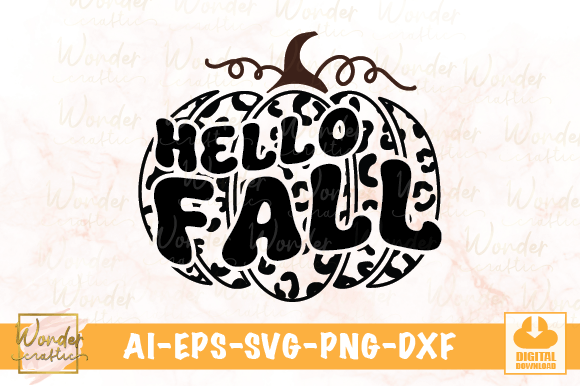
Hello Fall Leopard Pumpkin immediately conveys a sense of autumnal warmth and whimsy. The leopard print pattern paired with a pumpkin motif creates a playful yet sophisticated look. The layout is well-balanced, with the pumpkin as the focal point and the leopard spots adding texture and visual interest. The detail level is high enough to make a statement but not so intricate that it becomes overwhelming.
This design would naturally suit projects like tote bags, sweatshirts, or baby clothes. It has a strong visual personality that could work well in both casual and semi-formal settings. The color palette likely includes warm tones—think orange, brown, and gold—which aligns perfectly with the fall season.
Real-World Embroidery Performance
When considering Hello Fall Leopard Pumpkin for real embroidery work, I think about how it translates onto different fabrics and garment types. The design’s structure makes it suitable for custom apparel, such as t-shirts and sweatshirts, where the focus is on a clear, eye-catching image. It also works well as a tote bag design or a pillow cover, where the visual impact is important.
For baby items, the design’s softness and charm make it a great choice. However, I’d be cautious about using it on thin or stretchy fabrics, as the details might not show up as clearly. On textured or dark fabrics, the contrast between the leopard spots and the pumpkin could be lost unless the thread colors are carefully selected.
The design’s stitch density is something to consider. If it’s too dense, it might cause puckering or distortion on certain materials. I recommend testing it on scrap fabric first to ensure the stitching looks clean and the design holds up under different conditions.
Where to Use Carefully
While Hello Fall Leopard Pumpkin is versatile, there are situations where it may not perform as well. Small hoop sizes could limit how much of the design can be stitched at once, especially if the pumpkin is large or detailed. This could be a challenge for those using smaller embroidery machines.
On curved surfaces like caps or hats, the design might require some adjustment to ensure the curves are smooth and the details remain intact. Thin or stretchy fabrics could also pose issues, as they may not support the design’s complexity without proper stabilizer.
If you plan to use this as an applique design or incorporate it into layered garments, be sure to test how it interacts with other elements. The design’s saturation and placement could affect the overall look of the finished product.
Impact on Visual Appeal and Product Value
Hello Fall Leopard Pumpkin has the potential to significantly boost the visual appeal of any project it’s used on. Its bold, recognizable design can make a handmade product stand out in a crowded market. For Etsy sellers or small shop owners, this could mean higher customer engagement and better sales performance.
The clarity of the stitching is key here. If the design is well-executed, it can enhance the professionalism of the finished product. Customers are more likely to trust and appreciate a piece that looks polished and well-crafted. This is especially important for personalized gifts or commercial embroidery projects.
From a branding perspective, the design’s consistency in style and theme can help reinforce a business’s identity. Whether it’s used on a holiday gift, a boutique product, or a printable mockup, Hello Fall Leopard Pumpkin maintains a cohesive look that aligns with seasonal themes.
Practical Designer Notes
Before committing to a project, I always recommend testing the design on different fabrics. This helps determine how well the stitch density and thread colors work together. For example, if the design is meant for a dark fabric, you’ll want to ensure the contrast is sufficient for visibility.
Check the hoop size required for the design. If it’s larger than your machine can handle, you may need to split the design or adjust the layout. Also, make sure to use the right stabilizer for the fabric type—especially if you’re working with delicate or stretchy materials.
For commercial projects, confirm the licensing terms before selling finished items or digital products. Even though the files are high-resolution and compatible with various formats, the intended use should be clear to avoid legal issues.
Finally, consider how the design will look in black and white mockups. This can help you understand how it translates to different color schemes and whether it still holds visual interest without the original colors.