Jackson Embroidery Design Review
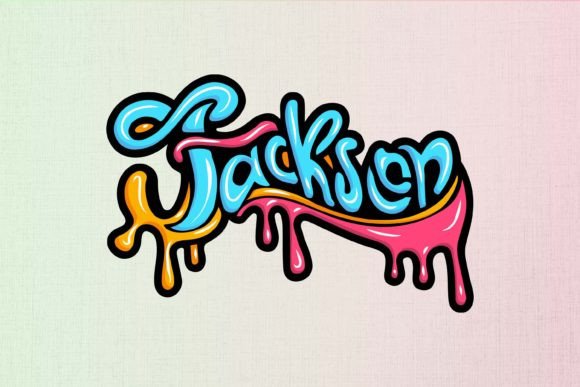
As a designer who’s worked with countless embroidery files, I always start by asking: does this design feel like it was made for real use? Jackson is a graffiti lettering typography art illustration that immediately grabs attention. It has a bold, edgy vibe that screams urban style, making it perfect for custom apparel, patches, and other wearable art. But does it hold up in the real world of embroidery? Let’s break it down.
The First Impression: Bold, Unapologetic, and Ready to Stitch
Jackson’s visual personality is loud and proud. The graffiti-style lettering has a raw energy that doesn’t shy away from detail. It’s not just a font—it’s a statement. The layout is clean enough for embroidery but still carries that rebellious flair. This makes it ideal for t-shirt designs, sweatshirts, and tote bags where you want something eye-catching without being too busy.
The design feels like it was crafted with both artistic freedom and practicality in mind. It’s a machine embroidery design that could easily translate into a standout piece for a boutique product or a handmade shop item. Whether you’re creating a personalized gift or a commercial embroidery project, Jackson has the potential to make an impression.
Real-World Use: Where Jackson Shines and Where It Needs Care
When I first saw Jackson, I imagined it on a custom embroidered tote bag for a small business owner looking to add some streetwear flair to their product line. It would work well on cotton or canvas, where the texture can support the design’s detail. But there are a few things to consider before jumping in.
For instance, if you’re planning to use Jackson on a baby onesie or a delicate fabric, you’ll need to be careful with stitch density. The design has areas with dense fill stitches, which might cause the fabric to pucker or stretch if not stabilized properly. A good stabilizer is a must, especially for thin or stretchy materials.
On the flip side, Jackson is a great fit for larger projects like sweatshirt embroidery or apron designs. Its size and structure allow for clear stitching without overwhelming the garment. If you’re using it for an applique design, the vector files provided (AI, EPS, SVG) give you flexibility to resize and adjust as needed.
Design Details: What Works and What Doesn’t
Jackson’s graffiti elements are sharp and well-defined, which is great for satin stitch and fill stitch applications. However, the corners of the letters have some intricate details that could be challenging on smaller hoop sizes. If you’re working with a limited hoop space, you may need to split the design or simplify parts of it.
Another thing to note: the design includes tiny lettering and decorative accents that might get lost in certain fabrics. For example, if you’re stitching on a dark fabric, those fine lines could blend in or become too faint. Testing the design on a scrap fabric first is always a good idea, especially if you’re unsure about how it will look in different thread colors.
One area where Jackson really shines is in its versatility. The 100% editable vector file means you can tweak the design to fit your specific needs—whether it’s adjusting the size for a cap or reworking the layout for a pillow cover. This makes it a valuable asset for any digital product seller or craft business owner.
Practical Tips for Using Jackson in Your Projects
If you’re planning to use Jackson in a real embroidery project, here are a few tips to keep in mind:
- Test on scrap fabric first to see how the design looks in different thread colors and fabric textures.
- Check stitch density to avoid puckering or distortion, especially on delicate materials.
- Confirm hoop size requirements before starting, as some areas of the design may need a larger hoop than usual.
- Use proper stabilizer for stretchy or thin fabrics to ensure a clean finish.
- Compare light and dark backgrounds to ensure visibility and contrast.
- Review licensing to make sure you’re allowed to sell finished products or digital files.
These steps aren’t just for professionals—they’re essential for anyone looking to turn Jackson into a successful handmade product or Etsy listing.
Why Jackson Fits Certain Projects Better Than Others
Jackson isn’t a one-size-fits-all design. It works best on items that can handle its boldness, like tote bags, sweatshirts, and patches. It’s also a strong choice for holiday gifts, wedding favors, or personalized items that need a unique touch.
However, it might not be the best fit for something like a baby blanket or a delicate tea towel, where subtlety and simplicity are key. In those cases, you’d want a design with fewer details and more open space.
That said, Jackson’s versatility allows it to be adapted for different uses. With the right adjustments, it could even work as a printable mockup for a digital product preview or a design asset for a craft fair booth.
Final Thoughts: Is Jackson Worth Adding to Your Collection?
After testing Jackson in several real-life scenarios, I can say it’s a solid addition to any embroidery designer’s toolkit. It’s visually striking, easy to edit, and offers a lot of creative freedom. But like any design, it requires thoughtful application to achieve the best results.
If you’re looking for a graffiti-style typography that can elevate your custom apparel, handmade products, or small shop merchandise, Jackson is definitely worth considering. Just remember to take the time to test it, adjust it, and ensure it fits your project’s needs before committing to a full run.
For now, I’m keeping Jackson in my library of reliable machine embroidery designs—ready to bring some streetwise flair to the next project.