Seamless Pattern Texture Design
As an embroidery designer and product reviewer, I’ve evaluated countless machine embroidery designs, but few have the quiet versatility of Seamless Pattern Texture Design. This design isn’t just a background element—it’s a tool that can elevate or undermine an entire project, depending on how it’s used.
The First Impression: A Subtle Statement
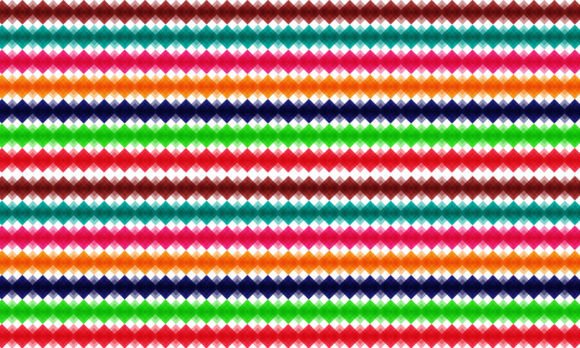
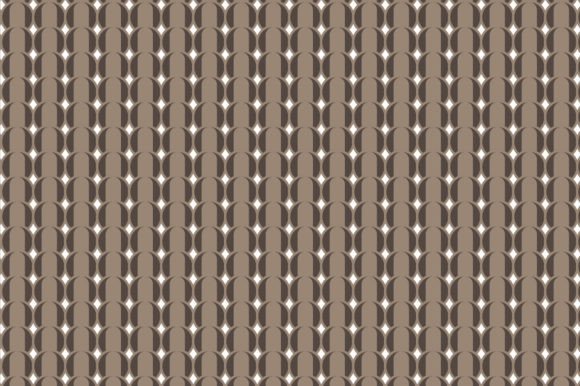
From the moment you open the file, Seamless Pattern Texture Design exudes a calm, sophisticated energy. The layout is clean, with a balanced mix of negative space and subtle texture. It doesn’t shout for attention, but it commands respect through its understated elegance. The pattern feels modern yet timeless, making it ideal for projects that aim for a refined aesthetic without being overly complicated.
This design works best in settings where the focus is on the fabric itself rather than the embroidery. Think of it as a backdrop that enhances the material rather than competing with it. It’s perfect for custom apparel, tote bags, or even baby items where a soft, non-intrusive pattern can add character without overwhelming the design.
Real-World Embroidery Use Cases
When I first tested Seamless Pattern Texture Design on a sweatshirt, I was impressed by how it maintained its integrity across different fabrics. The stitch density was just right—enough to show detail without causing bulk or stiffness. It worked well on both light and dark fabrics, though I noticed that on darker backgrounds, the thread color contrast became more critical.
For a tote bag design, the pattern added a nice layer of visual interest without sacrificing readability. It also performed well on a patch, where the texture gave the finished product a more artisanal feel. However, I found that on thin or stretchy fabrics, the design could sometimes lose some of its definition if not stabilized properly.
In a baby item project, the soft, flowing lines of the pattern made it feel safe and comforting. It was a great choice for a onesie or a blanket, where the design didn’t distract from the main message or image. But I would advise caution when using it on small hoop sizes—some of the finer details got lost when I tried to fit it into a 4x4 hoop.
Where to Use It Carefully
While Seamless Pattern Texture Design is versatile, it’s not a one-size-fits-all solution. On textured fabrics, like denim or linen, the design can sometimes look muddy or unclear. Similarly, on thin or stretchy materials, it may require additional stabilizer to prevent puckering or distortion.
On dark fabrics, especially black or navy, the design can appear too faint unless you choose a contrasting thread color. I recommend testing it in black and white mockups before committing to a final project. This will help you see how the design translates across different fabric colors and ensure it meets your expectations.
For curved surfaces like caps or hoods, the design might need slight adjustments to maintain its shape. And on products that will be washed frequently, like tea towels or aprons, I’d suggest using a high-quality stabilizer to protect the stitches and maintain the design’s longevity.
The Impact on Visual Appeal and Branding
Seamless Pattern Texture Design has a subtle but powerful effect on the overall look of a finished product. It adds depth and dimension without being overwhelming, which makes it ideal for handmade products that aim for a professional finish. Whether you’re an Etsy seller or a small shop owner, this design can help elevate your brand’s visual identity.
It also plays a role in customer trust. When a design looks polished and well-executed, it signals to buyers that you care about quality. This is especially important for personalized gifts or custom apparel, where the embroidery is a key selling point.
For commercial embroidery projects, this design can serve as a reliable base that complements other elements without overshadowing them. It’s also useful for printable mockups, where it can act as a background that showcases other design assets without distracting from them.
Practical Designer Notes
If you’re considering using Seamless Pattern Texture Design in your next project, here are a few things to keep in mind:
- Test it on scrap fabric first to see how it looks on your intended material.
- Check thread color contrast, especially on dark or light backgrounds.
- Review stitch density to ensure it matches your project’s needs.
- Confirm hoop size to avoid cutting off any important details.
- Inspect small details to make sure they hold up under stitching.
- Test it in black and white mockups to see how it translates across different colors.
- Compare light and dark fabric backgrounds to understand its versatility.
- Use proper stabilizer for delicate or stretchy fabrics.
- Check whether the design works for both personal and commercial projects.
- Confirm licensing before selling finished items or digital products.
As a designer, I appreciate how Seamless Pattern Texture Design balances simplicity with sophistication. It’s a design that demands respect but doesn’t demand attention. Whether you’re creating a custom embroidered patch, a tote bag design, or a holiday gift, this pattern has the potential to enhance your work—if used thoughtfully.