Ethan: Graffiti Lettering Design
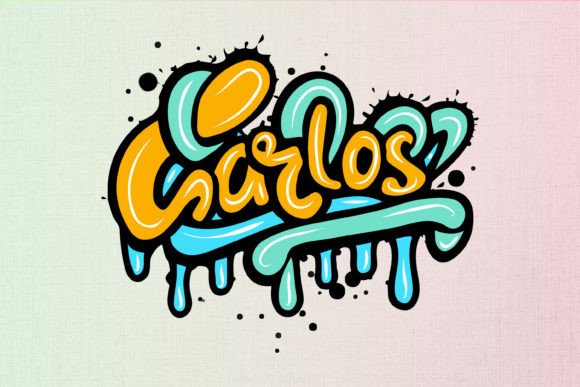
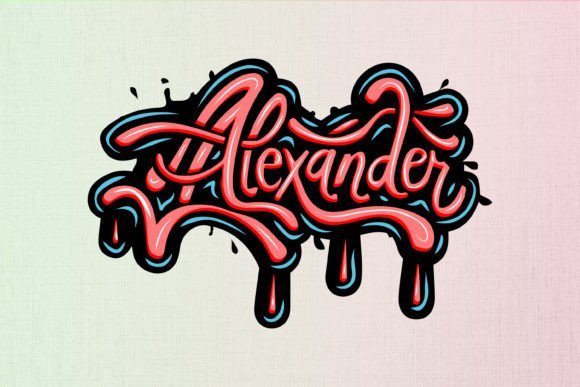
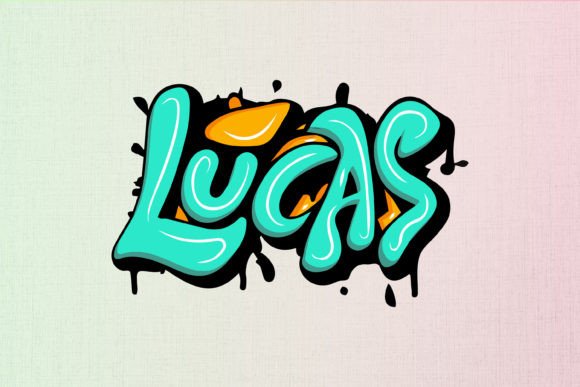
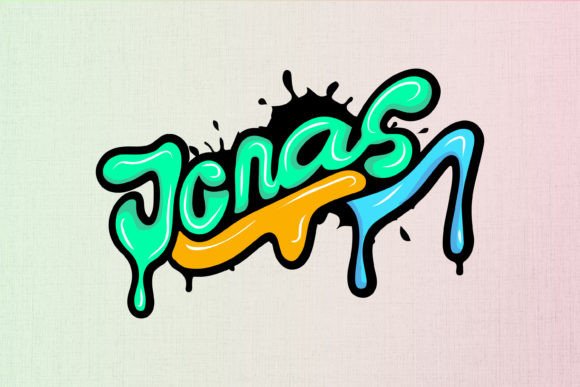
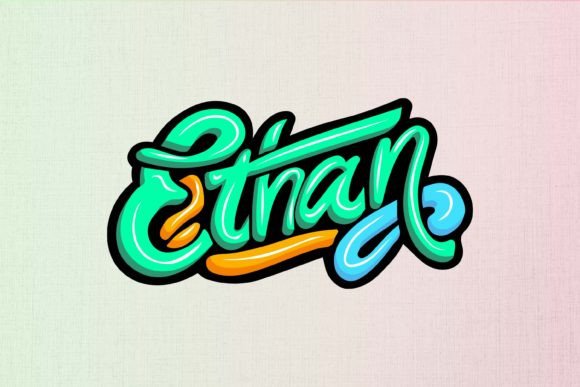
As a designer who’s worked with countless embroidery files, I always start by evaluating the mood and visual personality of a design before considering its practical use. Ethan, a graffiti lettering typography art illustration, immediately catches the eye with its bold, edgy aesthetic. The style feels modern, urban, and full of energy—perfect for projects that need a strong visual statement.
The First Impression: Bold and Unapologetic
Ethan’s layout is dynamic, with a mix of sharp angles and flowing lines that give it a sense of movement. The lettering is large and confident, making it ideal for custom apparel, tote bags, or even embroidered patches. The design has a raw, hand-drawn feel that adds character without being overly complicated. It’s not subtle, but that’s part of its charm—it commands attention and fits well in a variety of creative applications.
From a technical standpoint, the design is clean and well-structured. It’s clear that the creator took care to ensure the vector paths are precise, which is essential for embroidery. The detail level is just right—enough to make an impact without overwhelming the fabric or the stitching process.
Real-World Use Cases: Where Ethan Shines
One of the first scenarios that come to mind is using Ethan on a custom embroidered tote bag. The design’s size and structure make it a great fit for larger hoop sizes, allowing for a detailed and professional finish. It would also work well on sweatshirts, where the bold lettering can stand out without being lost in the fabric.
For baby items, Ethan could be adapted into a more subdued version, perhaps with softer colors or a simplified layout. However, as it stands, the original design might be too intense for a nursery setting. That said, with some tweaks, it could still be used for personalized gifts like onesies or baby blankets.
In terms of commercial use, Ethan is a solid choice for small business owners, Etsy sellers, and craft entrepreneurs looking for unique, high-impact designs. Its compatibility with Adobe Illustrator and multiple file formats makes it easy to edit and integrate into different projects.
Where to Be Cautious: Practical Considerations
While Ethan is visually striking, there are a few areas where caution is needed. For instance, if you’re working with small hoop sizes, the design may need to be split or resized to fit properly. This could affect the overall look and require additional planning during the digitizing process.
On textured fabrics or thin materials, the design might not show up as clearly as expected. The same goes for stretchy or dark fabrics, where thread color contrast becomes crucial. Testing the design on scrap fabric before committing to a project is always a good idea.
Another thing to consider is the stitch density. If the design has dense areas, especially around the lettering, it may require extra stabilizer to prevent puckering or distortion. This is especially important when working with delicate or stretchy fabrics.
Impact on Visual Appeal and Customer Perception
When it comes to visual appeal, Ethan delivers. Its boldness makes it memorable, which is great for branding or product recognition. Customers are likely to notice and appreciate the unique style, especially if it aligns with their personal taste or the theme of the product.
From a commercial perspective, Ethan can add value to handmade products or custom apparel. It gives a professional look that can elevate a small shop offering or an Etsy listing. However, it’s important to ensure that the design is presented correctly—using printable mockups or digital product previews can help potential buyers visualize the final result.
For embroidery designers, Ethan serves as a solid foundation for further customization. Whether you’re creating a new design from scratch or modifying an existing one, the editable vector files provide flexibility and control over the final outcome.
Design Notes for Embroidery Professionals
If you’re planning to use Ethan in your next embroidery project, here are a few key points to keep in mind:
- Test on scrap fabric to see how the design looks in real-world conditions.
- Check thread color contrast against the fabric to ensure visibility and cohesion.
- Review stitch density to avoid issues with puckering or distortion.
- Confirm hoop size to ensure the design fits comfortably without being stretched or compressed.
- Inspect small details to make sure they translate well to embroidery.
- Test in black and white mockups to assess clarity and impact.
- Compare light and dark fabric backgrounds to see how the design adapts.
- Use proper stabilizer for delicate or stretchy fabrics.
- Check licensing before selling finished items or digital products.
With the right approach, Ethan can be a versatile and valuable addition to any embroidery designer’s toolkit. Whether you're creating custom apparel, personalized gifts, or small business merchandise, this design offers a strong visual identity that can resonate with a wide range of customers.
Final Thoughts: A Design That Speaks Volumes
Ethan is more than just a graffiti lettering design—it’s a statement. Its boldness and versatility make it suitable for a variety of embroidery projects, from tote bags to baby items. While it requires some careful consideration in certain applications, the design’s strength lies in its ability to capture attention and convey a distinct personality.
For designers and small business owners looking for a fresh, impactful design, Ethan is worth exploring. Just remember to test it thoroughly and adapt it to your specific needs. With the right execution, it can become a standout piece in your collection of machine embroidery designs.